2-year-old suffers catastrophic brain injury after exposure to 7-OH
AUBURN, Ind. (WPTA/Gray News) - An Indiana 2-year-old suffered catastrophic brain injury after police say he was exposed to a drug called 7-OH.
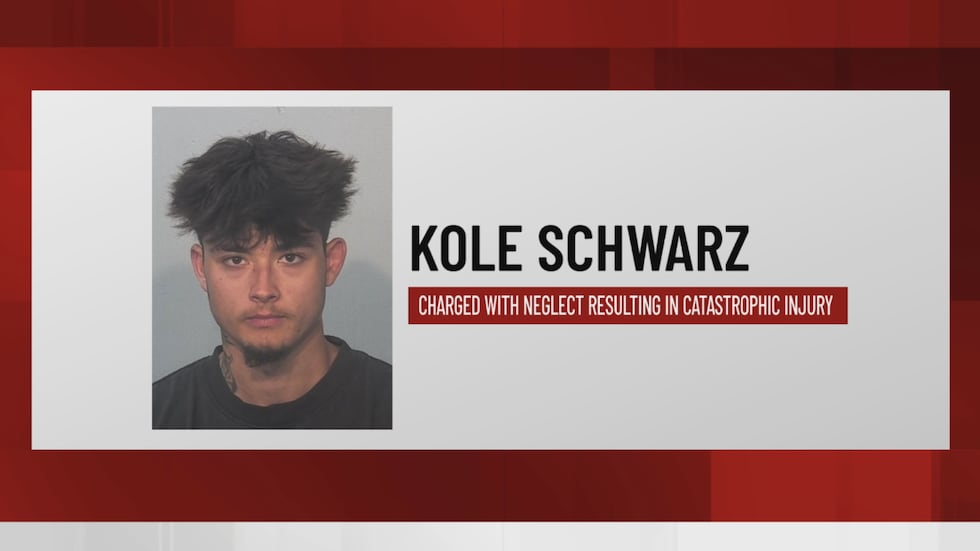
Police charged 20-year-old Kole Schwarz with neglect of a dependent resulting in catastrophic injury. Court records say Schwarz was the mother’s live-in boyfriend at the time.
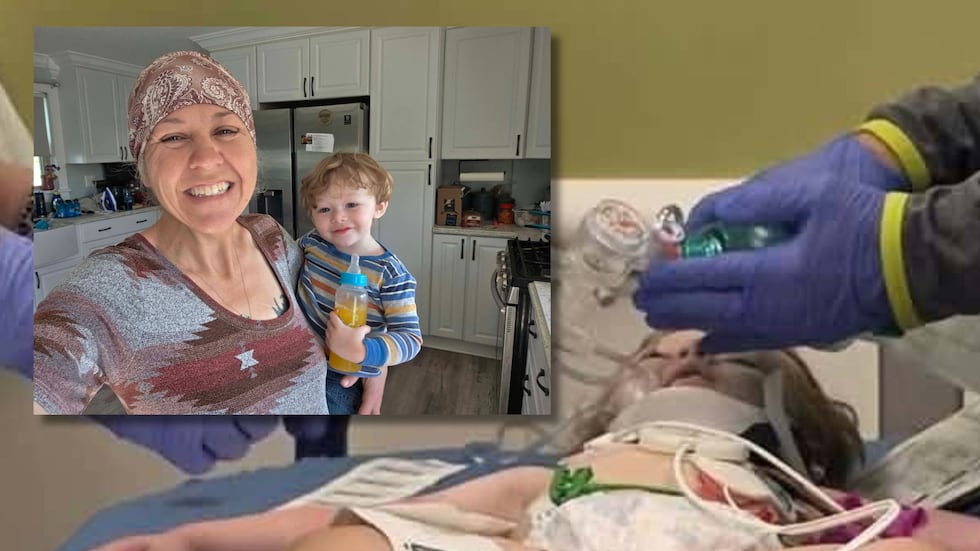
Family members say the toddler was rushed to a hospital in DeKalb County on Sept. 6, where the affidavit says he was “unresponsive and placed in a medically induced coma.”
The child was later transferred to Riley Hospital in Indianapolis.
Court papers say a specialized lab test later found kratom-related drugs in his blood.
Investigators say the child’s mother told them she believed Schwarz used “7-OHs” and she was concerned the toddler may have ingested one.
Detectives say Schwarz admitted buying tablets sold as “7-OH” under the counter through a contact in Fort Wayne.
The detective calls that product the likely source of the exposure. Schwarz told police the tablets stayed sealed in his pocket.
Court papers say the child had an “unknown green substance around his mouth” and a doctor found MRI evidence that met the criteria for catastrophic injury.
Auburn police say the mother of the child is not a suspect in the case and has cooperated throughout the investigation.
The toddler’s grandmother, Josie Casebere, says she spent six weeks in the hospital with her grandson.
“It’s been the hardest thing in my life. I mean, I’ve lost parents and friends, and this is... I know we didn’t lose him, but it’s still been the hardest thing I’ve ever went through,” she said. “He’s got a wheelchair order that’s supposed to fit him until he’s six. If that tells you anything. They don’t know that he’ll ever walk again or anything.”
The FDA calls 7-OH a potent opioid concentrated from kratom, warning of a “concerning proliferation of concentrated 7-OH products that are sold over the counter and online.”
“This public health threat is troubling and requires immediate and impactful policies to educate consumers and take regulatory action that limits access to 7-OH-containing products,” the FDA’s report says.
It is illegal in Indiana, but in Michigan, it is sold as gummies, drinks and pills.
Berrien County health officials warned last week that kratom-related hospitalizations are rising. Michigan has no statewide age limit.
“Kratom contains a chemical called 7-OH (7-hydroxymitragynine), which acts like an opioid and can cause severe withdrawal symptoms. Kratom is an increasingly popular substance among teens and is sold at gas stations and smoke shops as candy-flavored gummies, drinks, pills and more,” the county’s health warning says. “While advertised as an energy booster, mood lifter, pain reliever and remedy for symptoms of quitting opioids, kratom can cause serious health issues, such as seizures, liver toxicity and substance use disorder. It also can lead to an overdose.”
Casebere says she spoke out to raise awareness about 7-OH.
“They’re labeling it however they want to because it’s not regulated, and they’re selling it to our kids,” she said.
Copyright 2026 WPTA via Gray Local Media, Inc. All rights reserved.