Babies after 40: How having babies later alters roles for parents, grandparents
(Aging Untold) — More women are waiting until their 40s to have children, and the numbers show it.
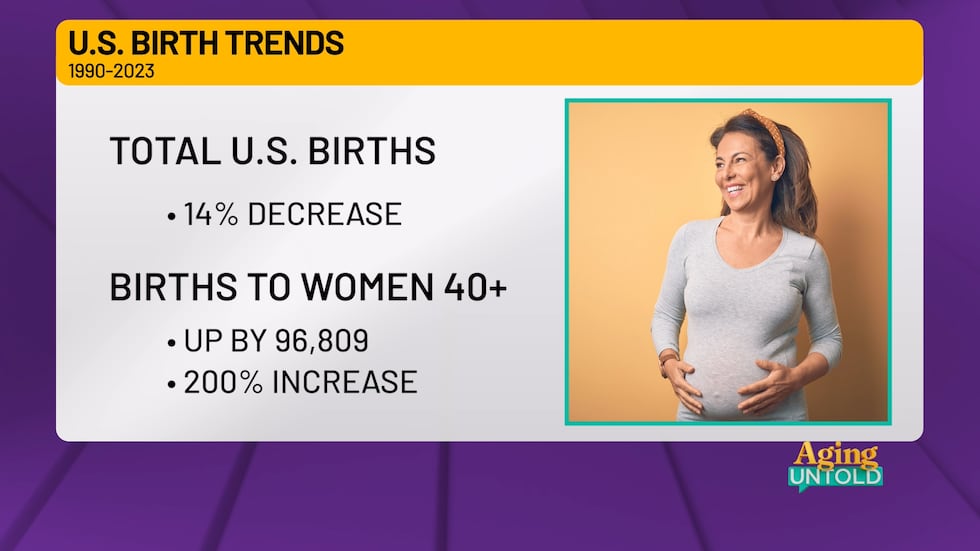
According to the Centers for Disease Control and Prevention, total U.S. births fell 14% from 1990 to 2023. During that same period, births among women 40 and older rose by more than 96,000 — a 200% increase.
The health risks are real, but manageable
The Aging Untold experts are breaking down why birth rates among women 40 and older have surged and what that shift means for health, family planning and the generations in between.
“It’s going to depend on the health state,” Dr. Rhea Rogers, a board-certified physician, said. “At the foundation, it’s build your foundation, a healthy foundation, because they’re going to be more risks and complications in advanced maternal ages.”
Rogers said pregnancy after 40 is classified as advanced maternal age and can carry a higher risk for high blood pressure, preeclampsia, gestational diabetes and chromosomal abnormalities. Physicians who specialize in high-risk pregnancies are available to help manage those risks, she added.
“With the resources that we have nowadays, it’s really, really important that you look at your foundation, your health, your sleep and all that,” Rogers said.
She added that paternal health matters just as much as maternal health.
“A lot of times we’re looking at the woman, but don’t forget the man,” Rogers said. “The fathers, their health as well has an influence on the sperm, just like the mothers on the egg.”
Why women are waiting longer
Rogers said many women now have more wisdom, resources and financial stability by the time they decide to have children.
“After age 40, for women, their wisdom is really leading their biology, but they’re doing it with intent,” she said. “They have better resources, more tools and probably are financially more stable.”
Sam Cradduck, a gerontologist, connected that shift to how this generation of women grew up.
“I think a lot of this age group grew up with single moms that were struggling because they didn’t put their education first, and they didn’t build those careers,” she said. “And so now they’re like, I’m not going to be in those shoes. I’m going to wait. I’m going to have all of that stability and all that financial security, and then I’m going to have my children.”
The trade-off: a changing generational gap
What’s lost when people wait longer to have children is time with grandparents, Cradduck said.
“My grandmother was my world,” Cradduck said. “I can’t imagine not having that in my life. Because of those influences, that’s how we build our empathy. So how are we reaching these smaller children when we’re losing that aged generation?”
Katherine Ambrose, an aging well coach, tied the concern back to the importance of healthy aging.
“That’s why healthy longevity is so important,” Ambrose said. “If you want to be around for grandchildren that are coming later, you’ve got to stay healthy and keep your energy up. So you can run around the theme parks with them.”
Older parents may bring more patience — and a new “sandwich generation”
Aging expert Amy O’Rourke shared firsthand observations of children raised by older parents.
“My godson’s parents are older, and they were so much more patient,” she said. “They had less energy, so they asked for more help faster.”
O’Rourke said there was a crew of people, including herself, who helped.
The children were exposed to more people as a result and “seemed to mature faster,” she said.
O’Rourke also pointed to new financial and caregiving pressures that come with having children later in life.
“I would really put that thought in before I even had the child, because that’s a real concern,” O’Rourke said. “If you plan for it, it’s very, very possible. But it’s something to really think about.”
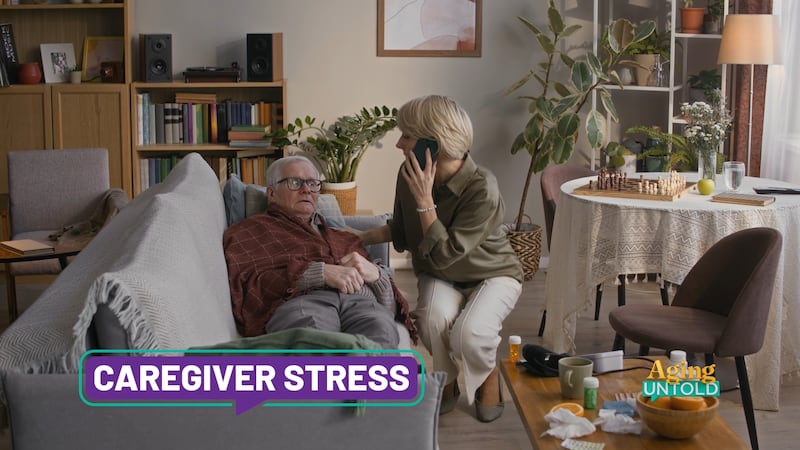
Cradduck said waiting to have kids can also mean caring for aging parents and raising children at the same time.
“There is that sandwich generation 2.0 that goes on here by being older,” Cradduck said. “You know your parents are in their 60s, likely by the time you’re having your children. So when your kids are teenagers, now your parents are in their advanced years. You may be caring for both at the same time, which we know is difficult.”
Wisdom over energy
Despite the challenges, the experts agreed that having children later in life comes with its own rewards.
“I’m so much calmer and wiser than I was as a young mom,” Cradduck said. “Maybe this waiting game — the wisdom replaces the energy. The patience replaces the frustration.”
“Every season of life has different strengths and trade-offs,” Ambrose said. “Every individual and family is different.”
Key takeaways
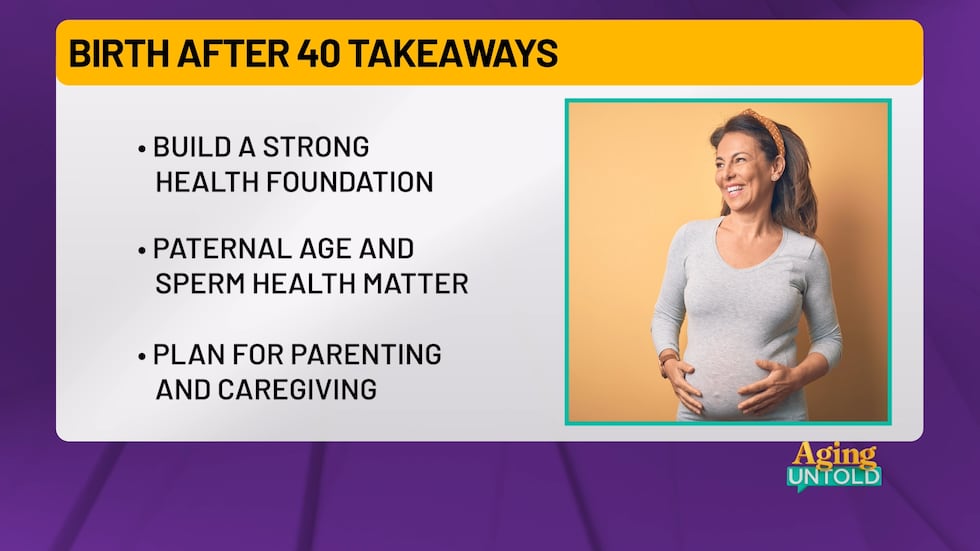
- Pregnancy after 40 carries a higher risk of high blood pressure, preeclampsia, gestational diabetes and chromosomal abnormalities, Dr. Rhea Rogers said, so your health foundation matters.
- Paternal health and sperm quality matter just as much as maternal health when planning a pregnancy later in life.
- Women who wait often bring more financial stability, patience and life experience to parenting.
- Having children later can mean simultaneously caring for aging parents and raising kids — a “sandwich generation 2.0.”
This program is provided for educational and informational purposes only and does not constitute providing medical advice or professional services. The information provided should not be used for diagnosing or treating a health problem or disease, and those seeking personal medical advice should consult with a licensed physician. Always seek the advice of your doctor or other qualified health provider regarding a medical condition. Never disregard professional medical advice or delay in seeking it because of something you have seen on this program. If you think you may have a medical emergency, call 911 or go to the nearest emergency room immediately. No physician-patient relationship is created by this program or its use. Aging Untold/Gray Media, nor its employees, contractors or agents, nor any contributor to this program, makes any representations, express or implied, with respect to the information provided herein or to its use.
Copyright 2026 Gray Media Group, Inc. All Rights Reserved.