Anesthesiologist explains what likely caused Christa Pike’s failed execution by lethal injection
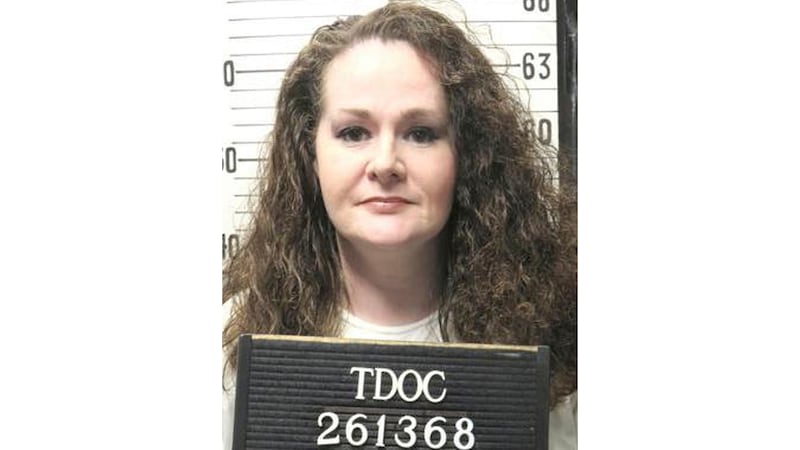
NASHVILLE, Tenn. (WVLT/Gray News) - A Tennessee anesthesiologist is weighing in on what may have gone wrong during the botched execution of Christa Pike.
Dr. Paul Allen, a professor of anesthesiology at the University of Tennessee Health Science Center, said the details coming out of Wednesday’s execution point to one likely explanation: the needle never properly made it into her vein.
According to Allen, for the lethal drug pentobarbital to make someone unconscious, it has to go directly into the bloodstream, meaning the needle has to be properly placed inside a vein.
Allen said finding a usable vein can be difficult for a number of reasons, including dehydration.
According to the Department of Corrections, Pike declined to pick a specialized last meal, though she did eat a meal during the period when her execution was stayed.
Allen added that veins can also be harder to access if they have been damaged over time.
“Not eating and drinking would make finding the vein and getting into the vein more difficult. Also, if she had bad veins to begin with, that were from either substance abuse or something of that nature, then it would be difficult to cannulate her vein,” Allen said.
In past appeals, Pike argued she had a vein condition that could make the lethal injection process difficult.
Allen said infiltration happens when a needle misses the vein or punctures through it, and the drug leaks into the soft tissue under the skin instead of circulating through the blood.
“What happened here, I would suspect, is that they infiltrated the vein,” Allen said. “That means that the drug, instead of going in the bloodstream, went into the peripheral tissues in the arm or wherever they put the needle in.”
Allen said that could explain a witness account that Pike described her arm throbbing in certain spots after the injections.
Allen said when the drug leaks into surrounding tissue instead of the bloodstream, it can still make someone drowsy, which could explain why Pike appeared sleepy and snoring, but the dose did not kill her.
The doctor stressed that his medical assessment was based on witness accounts, not a confirmed finding. The exact cause of what went wrong has not been officially released.
Allen said pentobarbital is not a new drug. It was once prescribed for sleep, and doctors have long known it can be dangerous in large doses.
According to Pike’s legal team, she survived the failed execution, but she has since been in critical condition, receiving life-saving medical care at an area hospital.
Tennessee Gov. Bill Lee has since halted executions in the state for the rest of the year.
Copyright 2026 WVLT via Gray Local Media, Inc. All rights reserved.