InvestigateTV+ Weekend: Lithium-ion battery failures
(InvestigateTV) — They power our devices every day but when lithium-ion batteries fail the damage can be fast, violent and life-changing. Plus, clean air rules and companies asking for exemptions to stay running.
Battery disposal gaps keep fueling fires
From smartphones and laptops to e-bikes and power tools, lithium-ion batteries power much of modern life. But when it’s time to get rid of them, doing so safely isn’t always easy — especially if they’re damaged, defective, or recalled. The gap between the batteries consumers no longer need or use – and the disposal options they can actually access - can spark a dangerous and costly problem.
Federal data shows an ever-growing number of lithium-ion battery fires across the country, and the nation’s landfills and recycling centers in particular are increasingly battling difficult-to-extinguish blazes caused by improperly-disposed-of batteries. While efforts to educate have been the focus of many fire officials, InvestigateTV found most communities are not equipped with qualified waste facilities, meaning consumers have limited — and often costly — disposal options, even if they are aware of the risks.
Senior National Investigative Reporter Anna Werner hears from a man who says a lithium-ion power bank exploded in his pocket just days after it may have been recalled, raising urgent questions about whether consumers are being left holding a ticking time bomb — even when they try to do the right thing.
Werner also speaks with experts on the front lines of these fires about how limited access increases the risk of ignition, the new technology needed keep up with the threat, and how a growing number of state laws are attempting to shift the burden of safe disposal back on the industry.
Permission to Poison?
The Trump administration set up an email address where industrial facilities can request exemptions from complying with the Clean Air Act’s tighter toxic emission standards. So far, more than 100 facilities from coast to coast applied and received a two-year pass to get into compliance.
A joint investigation by our national investigative team and ProPublica reveals the contents of the government inbox – and finds dozens of chemical plants across the country and a major copper smelter in Arizona shielded under the label of “national security” – one of the only ways the administration can grant an exemption.
In one example, residents of Louisiana’s “Cancer Alley,” an 85-mile stretch between New Orleans and Baton Rouge say they’ll be living with health consequences after facilities there were granted exemptions. One woman reflects on the 13 neighbors from a single block who died of cancer as environmental advocates demand answers.
Meantime, the White House argues that forcing compliance on the deadlines set would shut down plants and hurt supply chains.
How gas pump meter creep can cost you
Most of the time, gas pumps do exactly what they’re supposed to do – the fuel stops, and so does the meter. But when equipment isn’t working right, even a small error can cost drivers money.
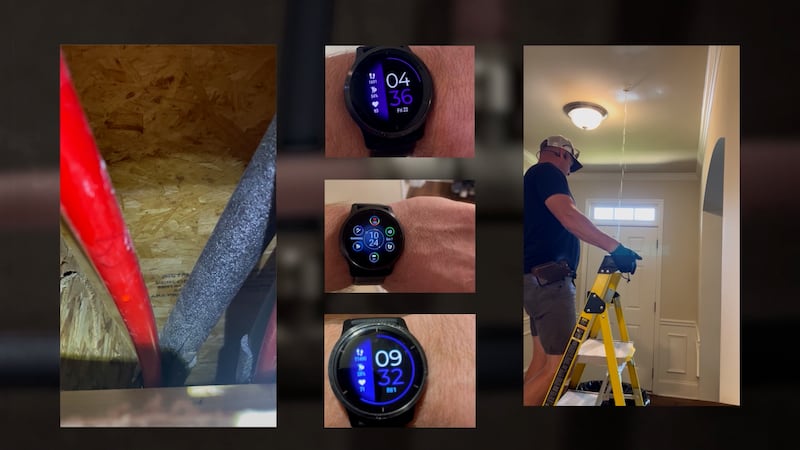
It’s called meter creep. Susan Campbell shows us how inspectors try to catch it and what you should do if you notice it at the pump.
What to watch out for with AI travel booking
The explosion of artificial intelligence means people are finding new ways to use it, including booking their travel.
In this Watching Your Wallet, Consumer Investigator Rachel DePompa talks to an expert about how to make AI work for you.
Copyright 2026 Gray Media Group, Inc. All rights reserved.